Enter your assignment draft separated by a line and then the complete assignment after all revisions at the bottom of the page. Include word count for each in parenthesis beside the title.
For example
Draft 1
(500 words)
genre 1
Preventing Burnout in College Students
College can be stressful. Between classes, homework, jobs, and trying to have a social life, it’s easy to get overwhelmed. Burnout is a real issue for a lot of students, and if you don’t take care of yourself, it can seriously mess with your grades, mental health, and overall well-being. The good news is that there are ways to prevent burnout, and making self-care a priority can actually help you do better in school and in life.
What is Burnout?
Burnout happens when stress builds up to the point where you feel completely exhausted physically, mentally, and emotionally. According to the article Opinion: How to Avoid Academic Burnout by The News Record, burnout can make students feel unmotivated, tired all the time, and even depressed (News Record). It’s not just about being busy; it’s about feeling like you have nothing left to give. When burnout sets in, it can be hard to focus, and even simple tasks feel impossible.
In the academic article College Students’ Perceptions of Anticipated Career Burnout by Stephanie Wells, Kristen Jennings Black, Celeste Bremmer, Erin Melhorn, and Alexandra I. Zelin, the authors explain that many students already worry about burnout before they even enter the workforce. The pressure to do well in school, get internships, and plan for the future can make burnout feel inevitable (Wells et al.). However, the study suggests that taking steps to manage stress now can help students avoid major burnout later.
How to Prevent Burnout
One of the best ways to prevent burnout is to prioritize mental health. That means setting boundaries, taking breaks, and making time for things that help you relax. According to the article College Burnout: Causes, Symptoms & How to Avoid It from Southern New Hampshire University (SNHU), students who practice self-care, like getting enough sleep, exercising, and spending time with friends, are more likely to stay motivated and focused (SNHU).
Another important thing is learning to say no. It’s easy to take on too much joining clubs, working extra shifts, or pulling all-nighters to finish assignments. But overloading yourself will only make things worse. Time management is key. Setting a schedule that includes breaks and sticking to it can help keep stress under control.
Finally, reaching out for help is crucial. Whether it’s talking to a professor, a counselor, or just venting to a friend, having support can make a huge difference. Schools usually offer mental health resources, but a lot of students don’t take advantage of them. If stress starts piling up, asking for help is a smart move, not a weakness.
genre 2
Blog Post:
Avoiding Burnout in College
Feeling Burned Out? Here’s How to Fix It
College can be overwhelming, and if you’re feeling exhausted, unmotivated, and just done, you’re not alone. Burnout is something a lot of students deal with, but it doesn’t have to be that way. Here are a few ways to keep your stress in check and actually enjoy college without completely burning out.
1. Take Breaks (Seriously, Do It)
If you’re pulling all-nighters and running on coffee and energy drinks, you’re going to crash hard. Give yourself time to breathe. Even just taking a 10-minute break between studying can help your brain reset. Go for a walk, listen to music, or do something that helps you relax.
2. Get Some Sleep
Yeah, this one’s obvious, but so many students ignore it. Lack of sleep makes everything worse your mood, your focus, and even your grades. According to College Burnout: Causes, Symptoms & How to Avoid It from Southern New Hampshire University (SNHU), students who don’t get enough sleep have a harder time retaining information and staying motivated (SNHU). Try to get at least six to eight hours a night. If you can’t, take short naps to make up for it.
3. Stop Saying Yes to Everything
It’s easy to overcommit taking extra classes, joining every club, working too many hours. But if your schedule is packed with no time to breathe, burnout is inevitable. In the academic article College Students’ Perceptions of Anticipated Career Burnout, Wells et al. explain that students who put too much pressure on themselves in school often experience burnout before even starting their careers (Wells et al.). Learning to say no sometimes is an important way to protect your mental health.
4. Reach Out for Help
If you’re feeling overwhelmed, don’t just tough it out alone. Talk to someone a professor, a counselor, or even a friend. Schools have mental health resources for a reason, so don’t be afraid to use them. In the article Opinion: How to Avoid Academic Burnout by The News Record, the author explains that many students don’t take advantage of the support systems available to them, which can make burnout worse (News Record).
Burnout isn’t just about being tired it can seriously affect your health, happiness, and future success. But with the right habits and mindset, you can keep yourself from hitting that breaking point. Take care of yourself now, and your future self will thank you.
______________________________
Draft 2 (600 words)
genre 1 Grant, Zamir
Professor: Nicola McDonald
English 110
7 April 2025
[ESSAY]
College Students Need to Start Prioritizing Their Mental Health
Introduction: Burnout Is More Common Than You Think
College burnout is something a lot of students go through in their college experience and a lot don’t admit they are . All the late night studying, jobs, and keeping up with classes while trying to stay in a good state of mind will start to affect you in a bad way People treat it like it’s just apart of college and normal but it doesn’t have to be. Students shouldn’t just accept burnout as normal. Mental health should be taken seriously, and it starts with knowing the signs and making changes.
According to “What is College Burnout?” by Katie Azevedo (published by Southern New Hampshire University), burnout is “a state of emotional, physical, and mental exhaustion caused by too much stress over a long period.” That’s something too many college students are used too. This essay will explain why students need to prioritize their mental health, focusing on how to recognize burnout, ways to prevent it, and how mental health care actually helps students do better.
Recognizing the Signs of Burnout
The problem with burnout is that it happens very slowly. A lot of Students might think they’re just tired or unmotivated, but the truth is, burnout gets worse and hits harder the longer it’s ignored. In “What is College Burnout?”, Azevedo points out that symptoms include “feeling drained, avoiding responsibilities, or even questioning your abilities.” It becomes more than just school stress it affects how students perform in other activities and feel about themselves and life in general.
A lot of people brush it off and try to push through, but that usually just makes it worse. Recognizing that you’re burned out isn’t weak or bad it’s the first step to getting back on track.
Why Mental Breaks Matter
Once burnout is fully taking over , the only real fix is rest and real rest, not just scrolling on social media between classes. Elisabeth Johnson’s article “How to Avoid Academic Burnout” talks about how important it is to take short breaks to reset your brain. For example in the article She says, “You can’t pour from an empty cup,” meaning if you don’t give yourself time to recharge, you’ll eventually crash.
Simple things like listening to music, going for a walk, or just putting your phone down and breathing for a bit can make a big difference.
Taking Care of Your Mental Health Helps You Succeed
Some people still think that focusing on mental health means slacking off or falling behind. But it’s actually the opposite. When students take care of themselves, they’re more focused, motivated, and ready to learn.
An article titled “Exploring College Student Mental Health and Academic Burnout” explains that mental health has a direct impact on grades and school performance. It says, “Mental health is not just related to personal well being it also influences how well students do in school.” In other words this means, when your brain feels better, your grades are good.
Creating Healthy Habits in College
College students need to stop normalizing stress and ignoring it and start building healthier routines. That doesn’t mean doing a full self-care routine every morning it just means making small changes that’s gonna help you in the long run . That could be going to bed earlier, using a planner to stay organized, or even setting limits on screen time.
It also means not being afraid to ask for help. Whether it’s talking to a friend, a professor, or a campus counselor, speaking up is way better than silently struggling. There’s no shame in needing support. Because Everyone does.
Conclusion: Burnout Doesn’t Have to Be the Norm
College shouldn’t and doesn’t have to feel like a constant mental breakdown. Students need to take some time and ask themselves if how they’re living is actually working. If not, it’s time to make changes. Mental health is just as important as grades, and ignoring it only makes things worse.
By recognizing burnout, taking breaks, and building healthier habits, students can enjoy college more and still succeed in and out of school
genre 2
[BLOG POST]
Burnout is Real: Let’s Talk About College Mental Health
college students when’s the last time you checked in with yourself?
If you’re always feeling drained and unmotivated , barely keeping up with classes, and pretending you’re fine when you’re not, this post will help
Burnout isn’t just feeling tired it’s being mentally and emotionally drained to the point where nothing feels manageable. The worst part is that It’s way more common than people think.
What Even Is Burnout?
Burnout happens when stress builds up for too long without a break. Katie Azevedo, in her article “What is College Burnout?” (Southern New Hampshire University), explains it’s when students feel emotionally, mentally, and physically exhausted. You might feel like you’re failing, losing motivation, or just don’t care anymore even when you really do.
You’re Not Lazy—You’re Exhausted
There’s this idea that if you take breaks, you’re falling behind or will But that’s false. Elisabeth Johnson, in her article “How to Avoid Academic Burnout,” says, “It is important to remember that time away from your obligations is just as important as time spent fulfilling your obligations.” If you’re just working nonstop , your body and brain will shut down eventually. Taking a real break going outside, listening to music, even just breathing for a minute can help in a big way.
Mental Health = Better Grades
when your head’s not right, school feels impossible. According to “Exploring College Student Mental Health and Academic Burnout” students who take care of their mental health do better in school. It’s not about being perfect it’s about being present. if your head’s not on right in school, you’re really not even there.
So… What Can You Actually Do?
- Start small. Sleep a little more. Eat a real meal. Log off for a bit.
- Use a planner. Organize your day so it feels less overwhelming.
- Talk to someone. Friends, professors, or campus mental health services someone will listen.
- Give yourself permission to slow down. Working 24/7 doesn’t help you it just burns you out faster.
You Should Never Have To Deal With Burnout
College isn’t supposed to wear you down or break you. It’s supposed to help you grow. Don’t wait until you completely fill out of it to take your mental health seriously. Recognize the signs. Take breaks. Ask for help.
______________________________
Supporting documents like research notes, brainstorms, etc. (images are welcome)
______________________________
Complete assignment (750 words)
genre 1
[ESSAY]
College Students Need to Start Prioritizing Their Mental Health
Introduction:
Burnout Is More Common Than You Think
College burnout is something a lot of students go through in their college experience and a lot don’t admit they are. All the late night studying, jobs, and keeping up with classes while trying to stay in a good state of mind will start to affect you in a bad way. People treat it like it’s just apart of college and normal but it doesn’t have to be. Students shouldn’t just accept burnout as normal. Mental health should be taken seriously, and it starts with knowing the signs and making changes.
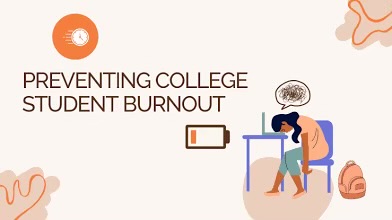
According to “What is College Burnout?” by Katie Azevedo (published by Southern New Hampshire University), burnout is “a state of emotional, physical, and mental exhaustion caused by too much stress over a long period.” That’s something too many college students are used too. This essay will explain why students need to prioritize their mental health, focusing on how to recognize burnout, ways to prevent it, and how mental health care actually helps students do better.
Recognizing the Signs of Burnout
The problem with burnout is that it happens very slowly. A lot of students might think they’re just tired or unmotivated, but the truth is, burnout gets worse and hits harder the longer it’s ignored. In “What is College Burnout?”, Azevedo points out that symptoms include “feeling drained, avoiding responsibilities, or even questioning your abilities.” It becomes more than just school stress it affects how students perform in other activities and feel about themselves and life in general.
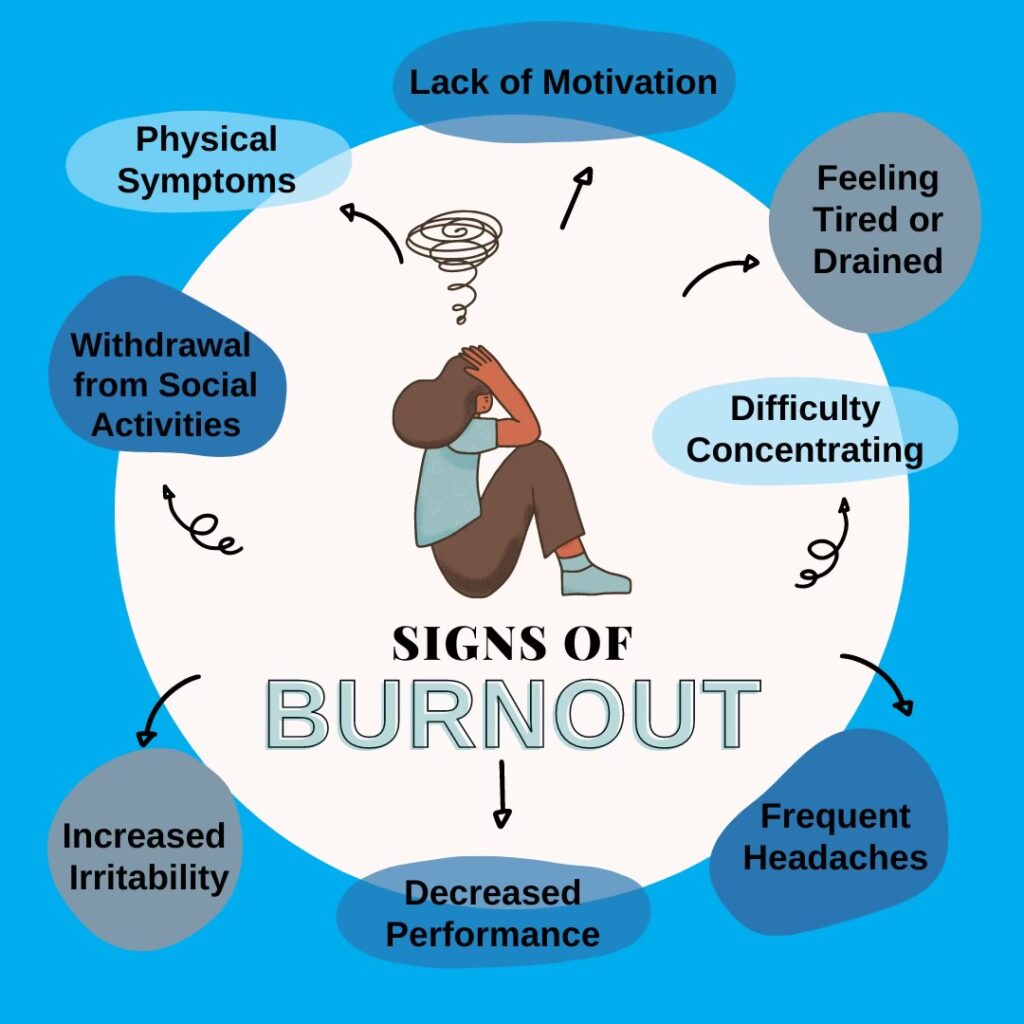
A lot of people brush it off and try to push through, but that usually just makes it worse. Recognizing that you’re burned out isn’t weak or bad it’s the first step to getting back on track. One way to avoid getting to that point is to check in with yourself every week and ask how you’re really feeling. Are you always tired? Are you losing motivation? Catching these signs early helps you do something about it before it gets too deep.
Why Mental Breaks Matter
Once burnout is fully taking over, the only real fix is rest and real rest, not just scrolling on social media between classes. Elisabeth Johnson’s article “How to Avoid Academic Burnout” talks about how important it is to take short breaks to reset your brain. For example in the article she says, “You can’t pour from an empty cup,” meaning if you don’t give yourself time to recharge, you’ll eventually crash.
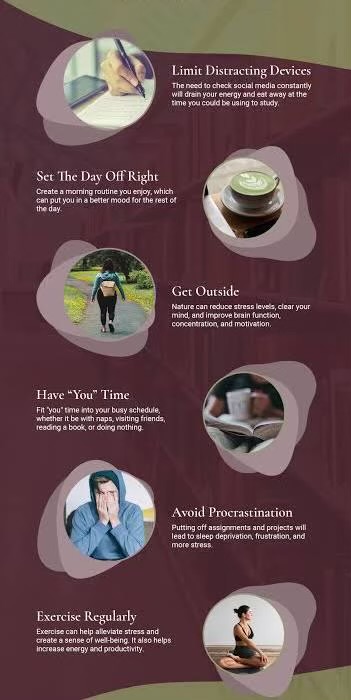
Simple things like listening to music, going for a walk, or just putting your phone down and breathing for a bit can make a big difference. Another way to avoid burnout is by planning downtime into your schedule. Even just 15 minutes a day to breathe, stretch, or write in a journal can help your mind slow down and recharge.
Taking Care of Your Mental Health Helps You Succeed
Some people still think that focusing on mental health means slacking off or falling behind. But it’s actually the opposite. When students take care of themselves, they’re more focused, motivated, and ready to learn.
An article titled “Exploring College Student Mental Health and Academic Burnout” explains that mental health has a direct impact on grades and school performance. It says, “Mental health is not just related to personal well being it also influences how well students do in school.” In other words this means, when your brain feels better, your grades are good.
One way students can stay ahead is by making to-do lists and breaking big assignments into smaller steps. That way, things don’t pile up and cause more stress. Avoiding procrastination is another key way to keep from feeling overwhelmed, which helps prevent burnout from creeping in.
Creating Healthy Habits in College
College students need to stop normalizing stress and ignoring it and start building healthier routines. That doesn’t mean doing a full self-care routine every morning it just means making small changes that’s gonna help you in the long run. That could be going to bed earlier, using a planner to stay organized, or even setting limits on screen time.
It also means not being afraid to ask for help. Whether it’s talking to a friend, a professor, or a campus counselor, speaking up is way better than silently struggling. There’s no shame in needing support. Because everyone does.
Another way to help yourself is by finding something outside of school that makes you happy. That could be going to the gym, reading, joining a club, or just having a hobby. Doing something fun gives your brain a break and reminds you that school isn’t the only part of your life.

Conclusion:
Burnout Doesn’t Have to Be the Norm
College shouldn’t and doesn’t have to feel like a constant mental breakdown. Students need to take some time and ask themselves if how they’re living is actually working. If not, it’s time to make changes. Mental health is just as important as grades, and ignoring it only makes things worse.
By recognizing burnout, taking breaks, and building healthier habits, students can enjoy college more and still succeed in and out of school. Avoiding burnout isn’t about being perfect it’s about being aware and making sure you’re taking care of yourself along the way.
genre 2
[BLOG POST]
Burnout is Real: Let’s Talk About College Mental Health
college students when’s the last time you checked in with yourself?
If you’re always feeling drained and unmotivated , barely keeping up with classes, and pretending you’re fine when you’re not, this post will help
Burnout isn’t just feeling tired it’s being mentally and emotionally drained to the point where nothing feels manageable. The worst part is that It’s way more common than people think.

What Even Is Burnout?
Burnout happens when stress builds up for too long without a break. Katie Azevedo, in her article “What is College Burnout?” (Southern New Hampshire University), explains it’s when students feel emotionally, mentally, and physically exhausted. You might feel like you’re failing, losing motivation, or just don’t care anymore even when you really do.

You’re Not Lazy—You’re Exhausted
There’s this idea that if you take breaks, you’re falling behind or will But that’s false. Elisabeth Johnson, in her article “How to Avoid Academic Burnout,” says, “It is important to remember that time away from your obligations is just as important as time spent fulfilling your obligations.” If you’re just working nonstop , your body and brain will shut down eventually. Taking a real break going outside, listening to music, even just breathing for a minute can help in a big way.
Mental Health = Better Grades
when your head’s not right, school feels impossible. According to “Exploring College Student Mental Health and Academic Burnout” students who take care of their mental health do better in school. It’s not about being perfect it’s about being present. if your head’s not on right in school, you’re really not even there.

So… What Can You Actually Do?
- Start small. Sleep a little more. Eat a real meal. Log off for a bit.
- Use a planner. Organize your day so it feels less overwhelming.
- Talk to someone. Friends, professors, or campus mental health services someone will listen.
- Give yourself permission to slow down. Working 24/7 doesn’t help you it just burns you out faster.
You Should Never Have To Deal With Burnout
College isn’t supposed to wear you down or break you. It’s supposed to help you grow. Don’t wait until you completely fill out of it to take your mental health seriously. Recognize the signs. Take breaks. Ask for help.
WORKS CITED FOR ALL DRAFTS AND COMPLETE
Popular Media Sources:
News Record Staff. Opinion: How to Avoid Academic Burnout. The News Record, 23 Mar. 2024, https://www.newsrecord.org/opinion/opinion-how-to-avoid-academic-burnout/article_632f945e-9139-11ef-9525-33793d4ea176.html.
Southern New Hampshire University. College Burnout: Causes, Symptoms & How to Avoid It. SNHU, 15 Feb. 2024, https://www.snhu.edu/about-us/newsroom/education/college-burnout.
Academic Source:
Wells, Stephanie, et al. College Students’ Perceptions of Anticipated Career Burnout. Journal of Career Development, 2024.

This entry is licensed under a Creative Commons Attribution-NonCommercial-ShareAlike 4.0 International license.

